Top Fun Events in Ghana Cultural Festivals Music Concerts and Local Markets to Explore
Ghana knows how to make a gathering feel personal. A festival can turn a whole town into one big family reunion. A night concert in Accra can feel like the soundtrack to December. A market visit can become the best food, fabric, and people-watching stop of the day.
If you’re planning your next Travel experience around real culture, Ghana gives you plenty to build a trip around. Dates can shift from year to year, so it’s smart to confirm official schedules before booking, but these events and places are well worth keeping on your radar.

Cultural festivals that bring history into the streets
Ghana’s cultural festivals are more than performances. They’re homecomings, remembrance ceremonies, spiritual observances, and public celebrations all at once. If you can plan around one, do it.
Aboakyir Festival in Winneba
When
Usually the first weekend in May
Where
Winneba, Central Region
Aboakyir is one of Ghana’s best-known traditional festivals. It’s celebrated by the people of Effutu, and its most famous event is the deer-hunting ritual carried out by warrior groups known as asafo companies.
What makes Aboakyir special is the energy around the whole town. You’ll see processions, drumming, singing, and people dressed in traditional cloth. The festival honors local history and ancestral traditions, so it’s best experienced with respect and curiosity.
A good tip is to arrive early in Winneba, especially on the main festival day. Streets can fill quickly, and the best moments often happen before the main public events begin.
Homowo Festival in Accra
When
Usually August or September, with dates varying by Ga community
Where
Accra and nearby Ga towns
Homowo means “hooting at hunger,” and the festival remembers a time of famine and survival among the Ga people. The celebration includes traditional rites, family gatherings, music, and the sharing of kpokpoi, a special dish made from cornmeal and palm nut soup.
Homowo is a great way to see another side of Accra. Beyond the restaurants and nightlife, the city has deep traditions that still shape community life. If you’re invited to join a family meal or local gathering, treat it as something special. Ask questions, follow local customs, and enjoy the welcome.
Hogbetsotso Festival in Anloga
When
Usually the first Saturday in November
Where
Anloga, Volta Region
Hogbetsotso is celebrated by the Anlo Ewe people and remembers their migration from Notsie in present-day Togo. The festival includes chiefs in beautiful regalia, traditional drumming, dancing, storytelling, and a grand durbar.
The Volta Region already has a calm, scenic feel, and Hogbetsotso adds another layer. It’s a strong pick if you want culture, history, and a slower pace outside Accra or Kumasi.

Music concerts and creative events worth planning around
Ghana’s music scene has a huge range, from highlife and hiplife to afrobeats, gospel, rap, and alternative sounds. December is especially big, when many visitors return home and Accra turns into one of West Africa’s most exciting music cities.
AfroFuture in Accra
When
Usually late December
Where
Accra
AfroFuture, previously known as Afrochella, has become one of the biggest December events in Ghana. It mixes live music, fashion, food, art, and youth culture in one place. The lineup changes each year, but it often features major African artists and rising names.
What makes it fun is the mix of people. You’ll meet locals, members of the African diaspora, first-time visitors, and music lovers from across the continent. Dress comfortably, charge your phone, and expect a long night.
Chale Wote Street Art Festival in Accra
When
Usually in August, though dates and venues can change
Where
Accra, often connected to historic and creative districts
Chale Wote is not just a music event. It’s street art, performance, fashion, film, murals, installations, and live sound all rolled together. The festival has helped put Accra’s creative community in the spotlight.
The best way to enjoy it is to wander slowly. Stop for the art, talk with vendors, listen to performers, and don’t rush from one activity to the next. It’s one of those events where the side streets can be just as interesting as the main program.
Detty December concerts and parties
When
Throughout December, especially the last two weeks of the month
Where
Accra, with events also happening in other major cities
“Detty December” is the nickname for Ghana’s packed holiday season. Think concerts, beach parties, pop-up food events, album-release shows, and club nights. Big events are often announced closer to the season, so keep an eye on venue pages and local event calendars.
Accra’s Osu, Labadi, East Legon, Cantonments, and Airport areas often have a lot going on. If you’re moving around at night, plan transportation ahead of time and give yourself extra time for traffic.
Local markets where everyday Ghana comes alive
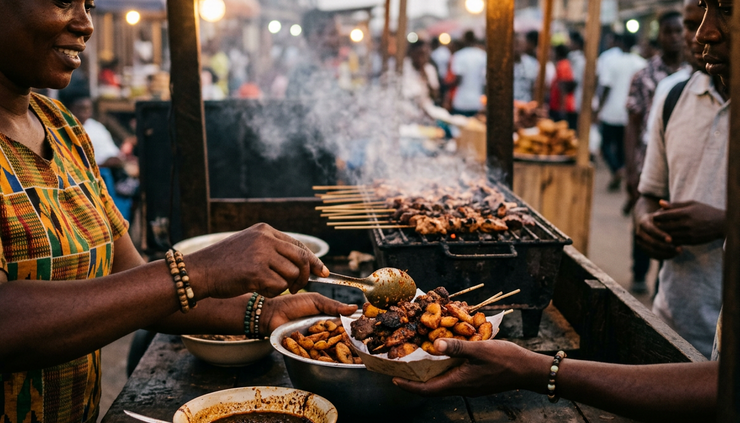
Markets are some of the best places to connect with local life. They’re busy, colorful, and full of quick exchanges, but they’re also places where people work hard every day. Go with patience, small cash, and a friendly attitude.
Makola Market in Accra
When
Open most days, with the most activity during daytime hours
Where
Central Accra
Makola is one of Accra’s most famous markets. You’ll find fabric, beads, shoes, spices, household items, beauty products, and plenty of street food nearby. It can feel intense at first, but that’s part of the experience.
If you love fabric, this is a great place to look for wax prints and lace. Ask before taking photos, keep your belongings close, and don’t be afraid to greet sellers. A simple “good morning” or “maakye” can change the mood fast.
Kejetia Market in Kumasi
When
Open most days, busiest from morning through afternoon
Where
Kumasi, Ashanti Region
Kejetia is one of West Africa’s largest markets and a major commercial center in Kumasi. It’s the kind of place where you can find almost anything, from food ingredients to sandals, textiles, kitchenware, and crafts.
Kumasi is also the heart of Ashanti culture, so pairing Kejetia with a visit to cultural sites like the Manhyia Palace Museum area can make the day richer. If you’re new to the market, a local guide or trusted driver can help you move around with less stress.
Tamale Central Market
When
Open most days, with strong daytime activity
Where
Tamale, Northern Region
Tamale Central Market gives you a different feel from Accra or Kumasi. Look for shea butter, woven baskets, leather goods, spices, grains, and local foods. The pace can feel more relaxed, and it’s a useful stop if you’re exploring northern Ghana.
This is also a good place to learn how regional differences show up in food, language, dress, and daily trade. Ghana is not one single experience, and markets make that clear in the best way.

How to enjoy Ghana’s events with respect and ease
A little preparation goes a long way. Ghana is welcoming, but the most rewarding moments come when you show respect for the people and places you’re visiting.
Keep these simple habits in mind:
Check dates before you book Festival and concert schedules can change, especially when they follow traditional calendars.
Dress for the setting Light clothing works well in the heat, but some traditional or religious events call for modest dress.
Ask before taking photos This matters in markets, ceremonies, and personal spaces.
Learn a few local greetings English is widely spoken, but greetings in Twi, Ga, Ewe, Dagbani, or another local language can mean a lot.
Support local vendors Buy food, crafts, fabric, or tickets directly when you can. Your spending helps keep events and communities strong.
Give yourself time Traffic, crowds, and long ceremonies are part of the rhythm. Don’t pack the day too tightly.
Ghana’s best events aren’t only about watching from the sidelines. Join the dancing if invited. Taste the food. Talk to the market seller. Listen when elders explain a tradition. Stay curious, stay respectful, and the country opens up in ways no guidebook can fully capture.
Pick one festival, one music event, and one market, then build your trip around them. That’s how Ghana becomes more than a destination. It becomes a set of real memories, shared with the people who make each place feel alive.


Comments