Top Travel Experiences in Ghana Exploring Accra, Cape Coast, Kumasi and Local Culture
Ghana has a way of staying with you. One day you’re walking through a busy market in Accra, the next you’re standing quietly inside a centuries-old coastal fort, and later you’re eating jollof rice while highlife music plays nearby. It’s an easy country to love because the best experiences feel both big and personal.
Travel in Ghana works well for curious visitors who want history, food, nature, art, and real conversation in one trip. Accra, Cape Coast, and Kumasi make a strong first itinerary, but the magic is often in the details between them.

Start in Accra for art, beaches, and everyday Ghanaian energy
Accra is the best place to get your bearings. It’s coastal, creative, and full of contrast. You’ll find sleek cafes, roadside food stalls, historic neighborhoods, beach bars, art galleries, and open-air markets all moving at their own rhythm.
A good first stop is Jamestown, one of the city’s oldest districts. The area is known for its colonial-era architecture, fishing community, murals, and lighthouse views. Go with a local guide if you can. You’ll understand more, meet people respectfully, and avoid treating the neighborhood like a backdrop.
For history, visit the Kwame Nkrumah Memorial Park, which honors Ghana’s first president and the country’s independence story. Nearby, the National Museum of Ghana helps connect the dots between tradition, trade, colonial history, and modern identity.
Accra also has a creative side that’s easy to miss if you only stick to big landmarks. Look for contemporary art spaces, live music nights, and craft markets where you can see kente-inspired fashion, beadwork, and carved goods. At the Arts Centre, bargain kindly, smile often, and don’t feel rushed into buying.
For a slower afternoon, head toward Labadi Beach or another coastal hangout. Weekends can get lively with music, horseback rides, food vendors, and groups of friends relaxing by the Atlantic.
Visit Cape Coast for a powerful look at history
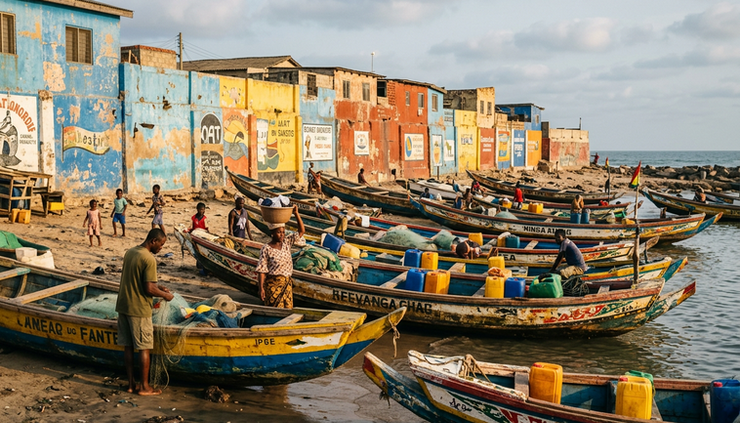
Cape Coast is beautiful, but it’s not a place to visit lightly. Its coastline is lined with palm trees and fishing boats, yet its most important sites carry deep historical weight.
Cape Coast Castle is one of Ghana’s most significant heritage sites. It played a major role in the transatlantic slave trade, and a guided tour through its dungeons, courtyards, and “Door of No Return” is sobering. It’s the kind of experience that asks you to slow down, listen, and sit with discomfort.
Nearby Elmina Castle offers another deeply important perspective. If you have time, visiting both can help you better understand the scale and legacy of this period. These sites are not just tourist stops. They’re places of memory, grief, and reflection.
Cape Coast town itself is worth spending time in too. Walk along the fishing harbor, try fresh seafood, and talk with guides, shop owners, and residents when the moment feels natural. A simple greeting goes far in Ghana. Try saying “good morning” before jumping into a question, and learn a few local phrases, even if you only use them imperfectly.

Explore Kumasi and the heart of Ashanti culture
Kumasi feels different from Accra. It’s inland, deeply tied to Ashanti heritage, and known for craft, royal history, and one of West Africa’s largest markets.
Start with the Manhyia Palace Museum, where you can learn about the Asante Kingdom, its leadership, symbols, and traditions. The Ashanti stool, royal regalia, and stories of resistance help show why Kumasi is such an important cultural center.
Then make time for Kejetia Market. It’s huge, busy, and fascinating. You’ll see cloth, spices, shoes, beads, household goods, and food vendors packed into a maze of movement. Go with patience. Keep valuables secure, ask before taking photos, and consider hiring a guide if you want to explore without feeling overwhelmed.
Kumasi is also a great base for craft villages. Depending on your route, you can visit communities known for kente weaving, Adinkra cloth stamping, or wood carving. These visits are best when they’re not rushed. Watch the process, ask thoughtful questions, and buy directly from artisans when possible. It supports local makers and gives you a better story behind what you bring home.
Eat your way through Ghana with an open mind
Ghanaian food is a highlight, and meals often become the memory you talk about most later. Start with jollof rice, a beloved West African dish cooked with tomatoes, spices, and rice. Every country has opinions about jollof, and Ghana is proud of its version.
Try waakye, rice and beans usually served with spaghetti, stew, egg, meat, fish, or plantain. For something hearty, order fufu with light soup, groundnut soup, or palm nut soup. Fufu is eaten by pinching off a small piece with your fingers and dipping it into soup.
Street food is part of the fun. Look for:
Kelewele
Spiced fried plantains, usually sweet, hot, and addictive.
Red-red
Beans stew often served with fried plantains.
Grilled tilapia and banku
A popular pairing, especially near bars and chop houses.
Bofrot
A round fried dough snack that’s great with tea or coffee.
If you have dietary needs, ask clearly and kindly. Many dishes use fish, meat stock, or groundnuts, so don’t assume ingredients are obvious.
Get into nature without rushing past the people
Ghana’s nature experiences are rewarding because they often connect with local communities. Kakum National Park, near Cape Coast, is famous for its rainforest canopy walkway. Go early if you want cooler weather and fewer people. The walk is adventurous but manageable for many visitors, and the forest sounds alone make it worthwhile.
North of Accra, Aburi Botanical Gardens offers an easy green escape with tall trees, walking paths, and mountain air. If you’re heading farther afield, Ghana also has waterfalls, lakes, monkey sanctuaries, and national parks that show a quieter side of the country.
The best nature trips happen when you treat nearby communities as part of the experience, not just a stop for supplies. Hire local guides, ask permission before photographing people, and buy snacks, crafts, or meals from small vendors when you can.

A few simple habits help:
Greet people before asking for help or directions.
Dress modestly in villages, religious spaces, and historic sites.
Carry cash in smaller bills for markets, taxis, and food stalls.
Ask before taking photos, especially of people, homes, and ceremonies.
Be patient with timing. Things may move slower than planned, and that’s part of the trip.

A Ghana trip feels rich because it feels human
Ghana gives you big travel moments, but it also rewards small ones. A market conversation. A drum rhythm at night. A plate of waakye eaten slowly. A guide sharing family history at Cape Coast Castle. A weaver explaining the meaning behind a pattern.
Start with Accra, Cape Coast, and Kumasi, then leave room for surprise. Ghana is at its best when you show up curious, respectful, hungry, and ready to listen.
Comments